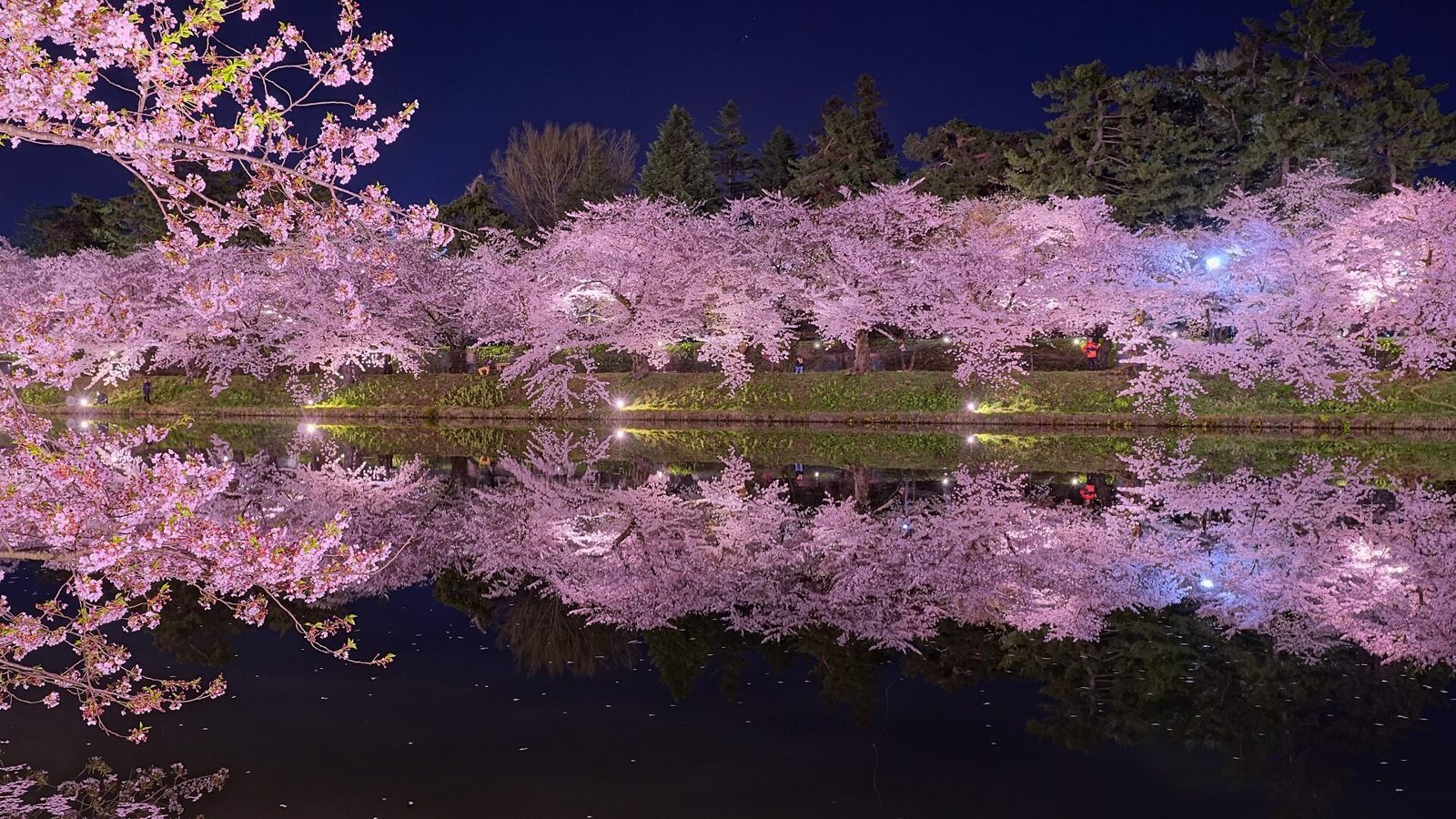
Japan changes completely from one season to the next, and the timing moves across the country: the cherry blossom travels from south to north in spring, the autumn colours from north to south. Here's when to expect what, with the dates I plan my own trips around.
All dates are long-term averages. A single year can be one to two weeks earlier or later, so check the current forecasts once your dates get close.
Month by month
Snow & onsen
Powder snow in Hokkaido and Tohoku, steaming outdoor baths, dry sunny days in Tokyo. Okinawa's first cherries.
New Year crowds until the 3rdSnow festivals & plum
Sapporo Snow Festival early in the month, lantern-lit Otaru. Plum blossoms open in the south from late February.
Quiet, low pricesPlum, then cherry
Plum blossoms everywhere, then the cherry front starts in Kyushu, Tokyo and Kyoto in the last ten days.
School holidays from late MarchCherry blossom
The blossom moves north: Kanazawa and Sendai early in the month, northern Tohoku by the end.
Busiest weeks in Kyoto; Golden Week from 29 AprFresh green
After Golden Week: mild, green and calm. Cherries in Hokkaido, wisteria and azaleas further south.
Avoid 29 Apr – 5 MayRainy season
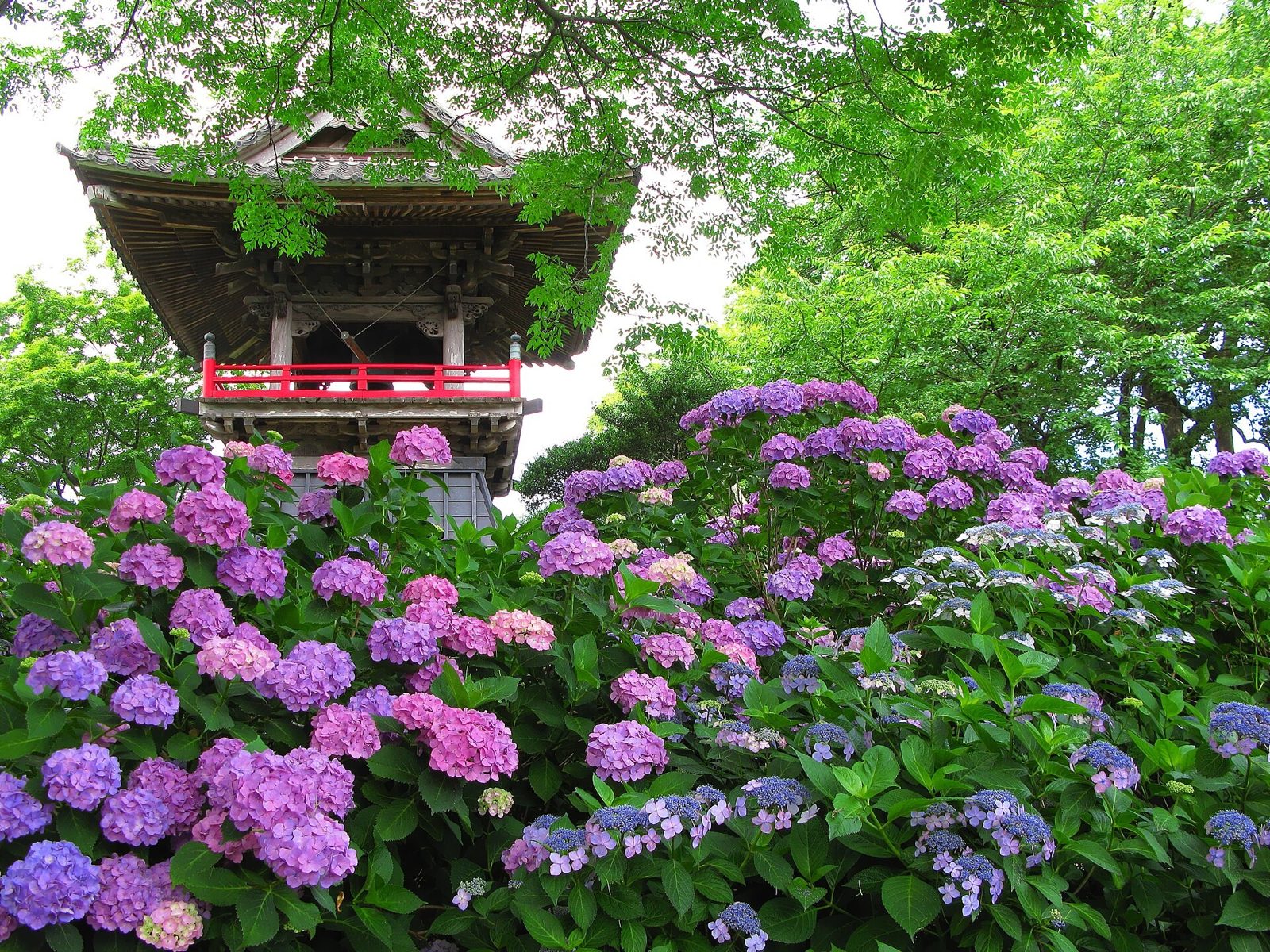
Grey, humid weeks with hydrangeas and moss gardens at their best. Hokkaido stays mostly dry.
Few touristsSummer starts
The rain stops in mid to late July, then it gets hot. Festivals, Furano's lavender, Mount Fuji's climbing season.
Summer holidays from late JulyHeat & festivals
35 °C and humid in the cities, fireworks and summer festivals. Head north or into the mountains.
Obon week mid-August is packedLate summer, typhoons
Still warm, peak typhoon time. The first autumn colours on Hokkaido's highest mountains.
Some years a 'Silver Week' holidayAutumn colours in the north
Clear, comfortable days. Colours sweep through Hokkaido, Tohoku and the Alps. My favourite month for road trips.
Pleasant, popularAutumn colours in the south
Kyoto, Tokyo, Hiroshima and Kyushu turn red and gold. First snow in the far north.
Kyoto is very busy late in the monthLights & first snow
Winter illuminations, the last maples in early December, ski season from mid-month.
Shops and sights close 29 Dec – 3 JanCherry blossom 桜
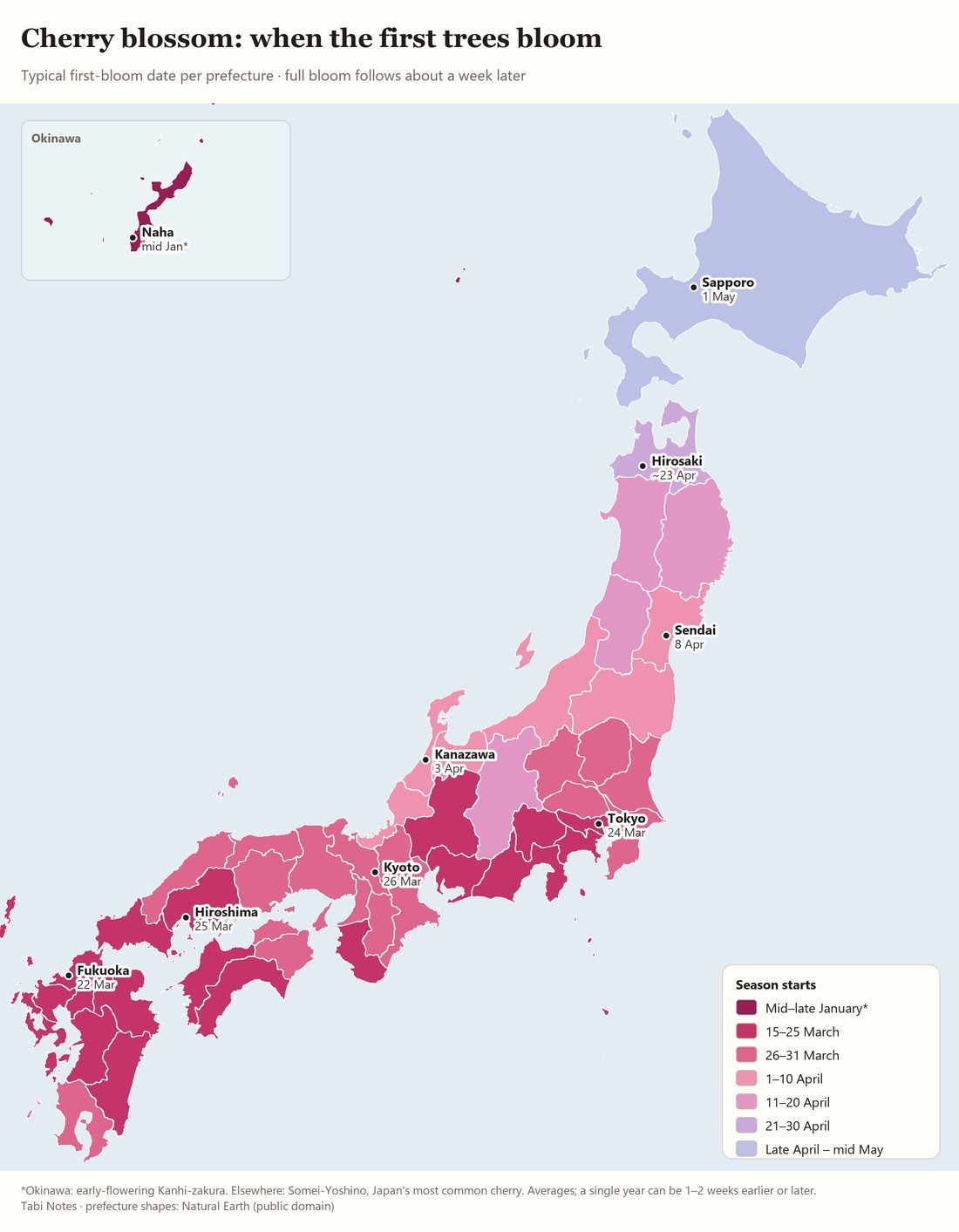
Tap or click the map to enlarge it.
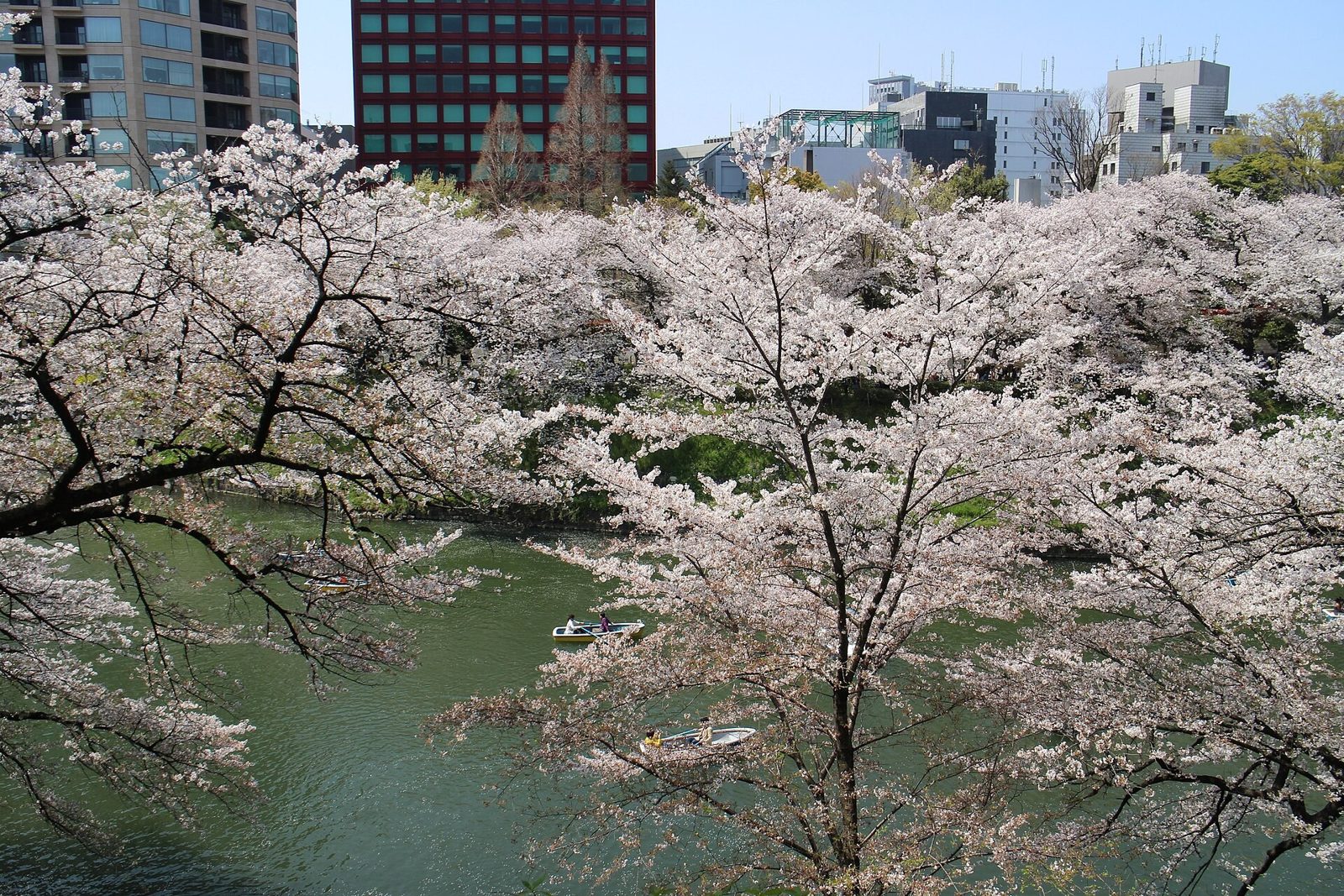
The cherry blossom front (sakura zensen) starts in Okinawa in January, reaches Kyushu, Tokyo and Kyoto in the last ten days of March and climbs north through April until it arrives in Hokkaido in May. In the mountains it comes later than in the cities nearby.
The trees reach full bloom about a week after the first flowers, and after another week the petals fall. In one place you have roughly ten good days, so leave some slack in your plans: if you miss Kyoto, you can often catch the blossom again further north.
My tips
- Book hotels for Kyoto, Tokyo and Osaka early. Late March to early April is the busiest and most expensive time of the year there.
- Japanese weather companies publish detailed blossom forecasts from January and update them every week.
- Go early in the morning for the famous spots, or pick a smaller town where the blossom is just as pretty and far quieter.
- Hanami (blossom picnics) are part of the fun: join in, keep it quiet and take your rubbish with you.
| Place | Typical first bloom | Where to see it |
|---|---|---|
| Okinawa (Naha) | mid January* | Nakijin Castle, Motobu |
| Fukuoka | 22 March | Maizuru Park, Nishi Park |
| Tokyo | 24 March | Chidorigafuchi, Shinjuku Gyoen, Meguro River |
| Hiroshima | 25 March | Peace Park, Miyajima |
| Kyoto | 26 March | Philosopher's Path, Maruyama Park, Arashiyama |
| Osaka | 27 March | Osaka Castle Park, Kema Sakuranomiya |
| Kanazawa | 3 April | Kenroku-en, Kanazawa Castle |
| Sendai | 8 April | Hitome Senbon Zakura along the Shiroishi River |
| Hirosaki | around 23 April | Hirosaki Castle and its moats |
| Hakodate | around 30 April | Goryōkaku fort |
| Sapporo | 1 May | Maruyama Park, Matsumae Castle further south |
*Okinawa has an early, deep-pink cherry (Kanhi-zakura). All other dates are for Somei-Yoshino, the pale pink cherry you see everywhere else.
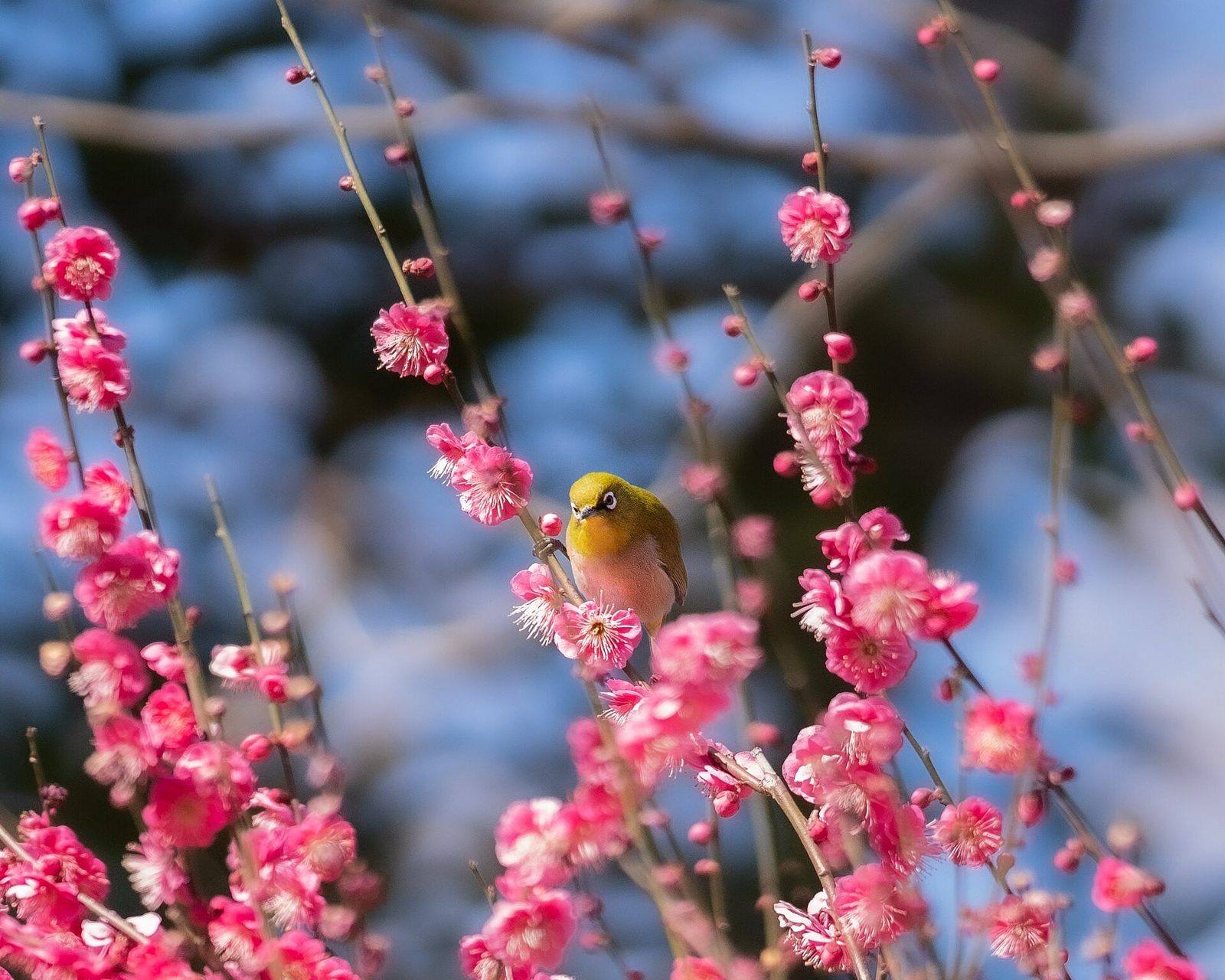
Before the cherries come the plum blossoms (ume): from February to mid-March, in shrine gardens such as Kitano Tenmangu in Kyoto or Kairakuen in Mito. Quieter than cherry season and lovely on a crisp, sunny day.
Autumn colours 紅葉
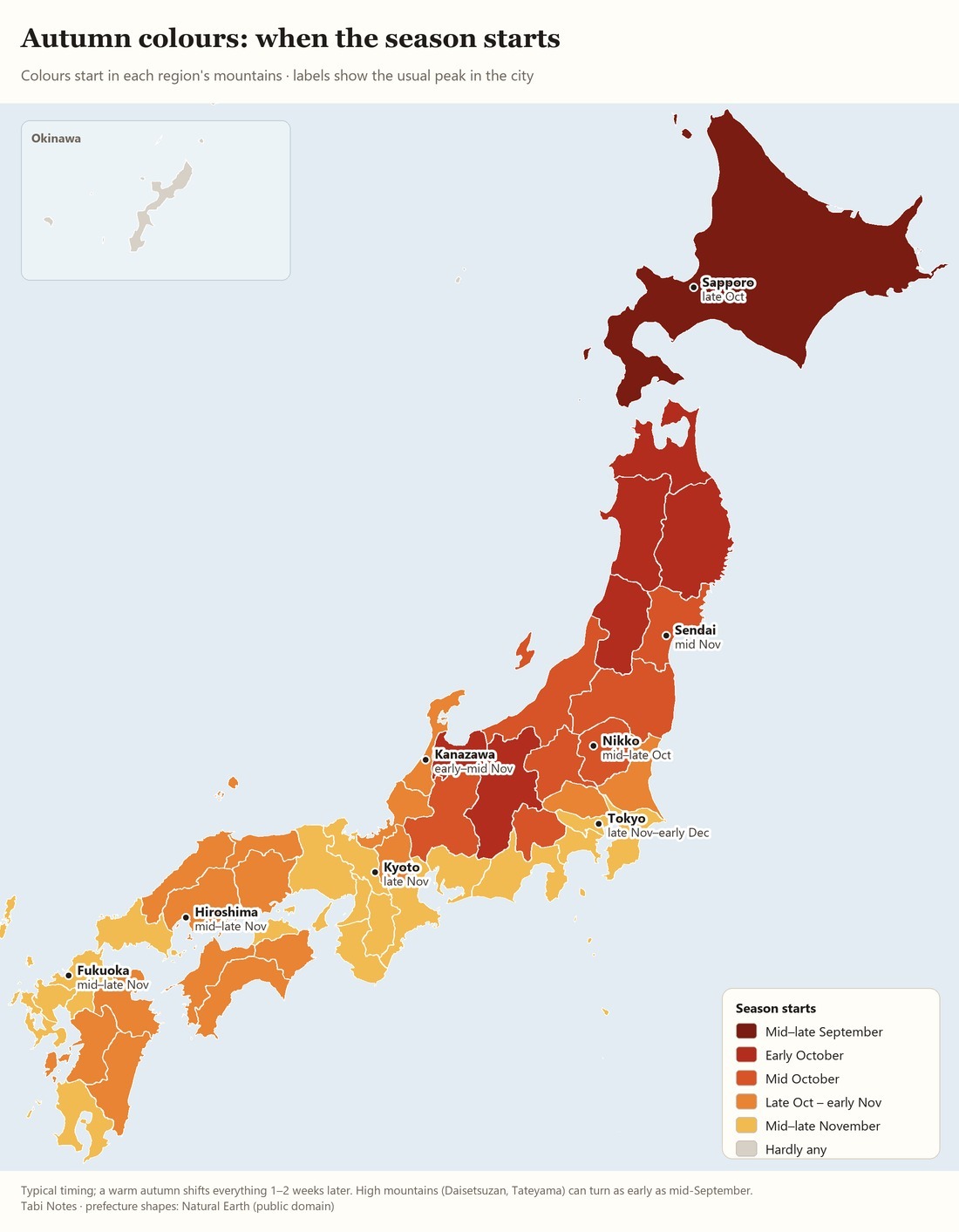
Tap or click the map to enlarge it.
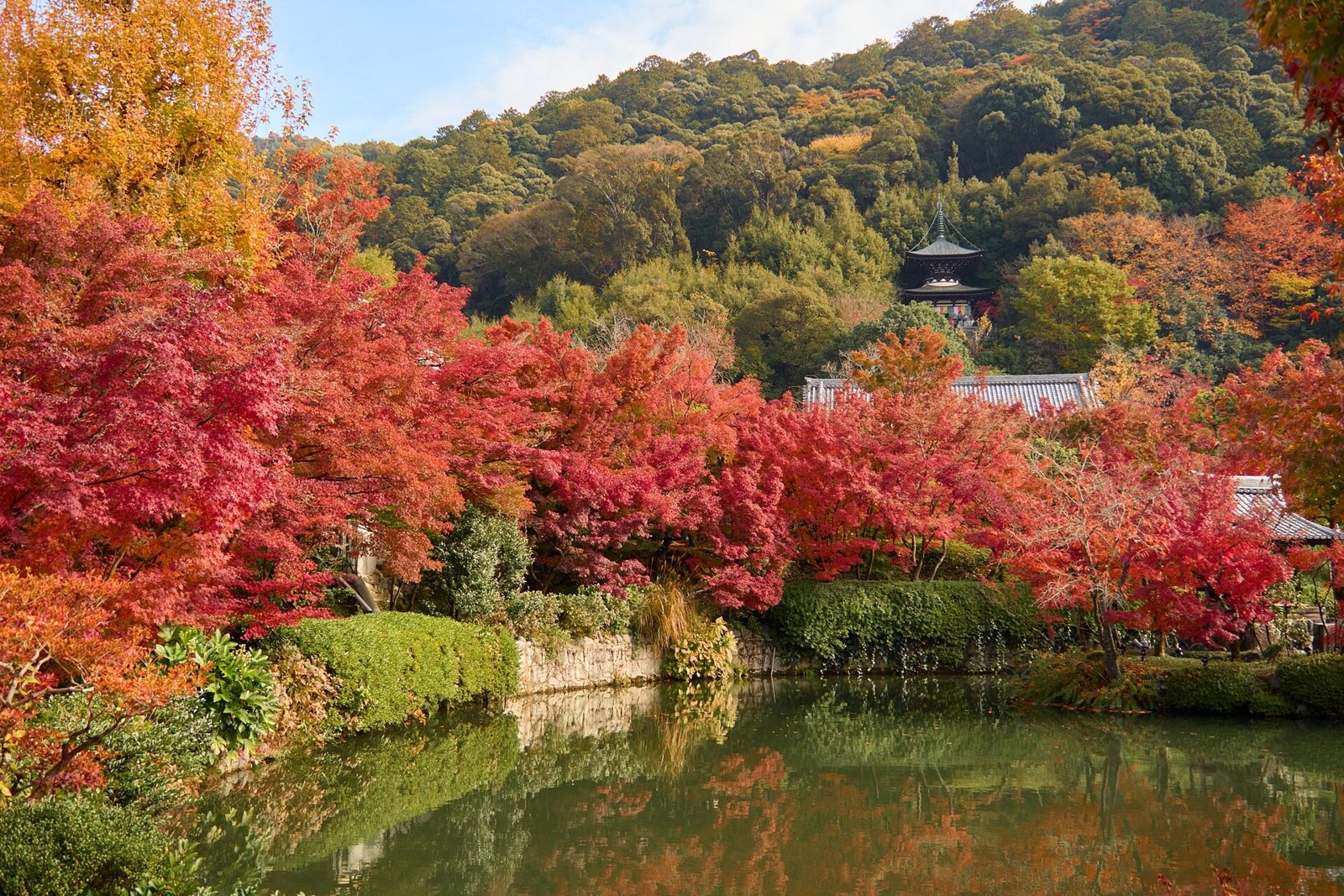
Autumn runs the other way. The colours (kōyō) start on the high mountains of Hokkaido in mid-September, sweep through Tohoku and the Japan Alps in October and arrive in Tokyo, Kyoto and Kyushu in the second half of November. Higher up always comes first: when the maples peak in a mountain valley, the city below is still green.
Unlike cherry blossom, autumn colours last a while. Each place has two to three good weeks, and because the colours move from the mountains down into the valleys, you can follow them on a road trip for a month or more.
My tips
- October in Tohoku or Hokkaido is my favourite time to travel: clear, cool days and far fewer visitors than Kyoto in November.
- Many temples in Kyoto open in the evening with illuminated maples. Tickets for the famous ones sell out, so check before you go.
- Book mountain ryokans early: autumn weekends are their busiest time of the year.
| Place | Usual peak |
|---|---|
| Daisetsuzan (Asahidake, Sounkyo), Hokkaido | mid September – early October |
| Hakkoda & Oirase Gorge, Aomori | early (Hakkoda) to late October (Oirase) |
| Lake Chuzenji & Nikko | mid October (lake) to early November (town) |
| Kamikochi & Tateyama, Japan Alps | late September – mid October |
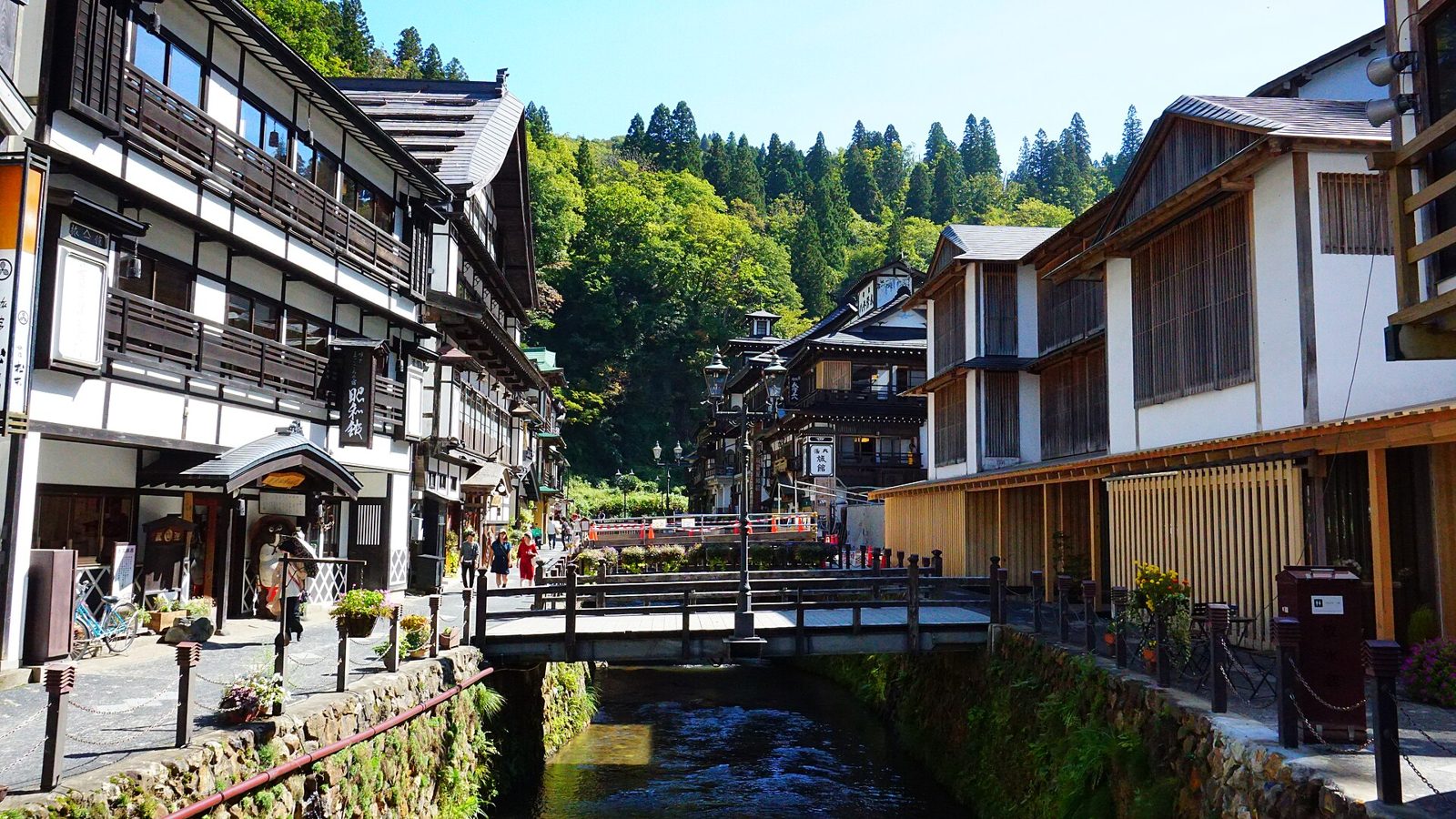
| Ginzan & Naruko Gorge, Tohoku | late October – early November |
| Iya Valley, Shikoku | early – mid November |
| Kenroku-en, Kanazawa | early – mid November |
| Miyajima (Momijidani), Hiroshima | mid – late November |
| Kyoto (Eikando, Tofukuji, Arashiyama) | mid November – early December |
| Tokyo (ginkgo avenue, Rikugien) | late November – early December |
Rainy season 梅雨
From early June to mid or late July, most of Japan has its rainy season (tsuyu). It doesn't rain all day every day, but the sky is often grey, it's humid, and some days bring heavy downpours. In Okinawa it comes a month earlier. Hokkaido doesn't really have one, which makes June one of its best months.
| Region | Usually starts | Usually ends |
|---|---|---|
| Okinawa | around 10 May | around 21 June |
| Southern Kyushu | around 30 May | mid July |
| Northern Kyushu, Shikoku | early June | mid July |
| Kansai, Chugoku, Tokai, Kanto | around 6–7 June | around 19 July |
| Hokuriku, southern Tohoku | around 11–12 June | around 23–24 July |
| Northern Tohoku | mid June | late July |
| Hokkaido | no official rainy season |
Is June worth it?
Yes, if you're flexible. Hotels are cheaper, the big sights are calmer, and moss gardens, forests and hydrangea temples look their best in the rain. Pack a light rain jacket, or buy an umbrella at any konbini for a few hundred yen. Plan museums, onsen and food tours for the wettest days, and keep mountain hikes for the clear ones.
Summer heat & festivals 夏
Once the rainy season ends, summer arrives properly. From mid-July to early September, Tokyo, Kyoto, Osaka and Kyushu reach 33–38 °C with high humidity, and heatstroke warnings are common. Sightseeing in the midday sun is hard work, so start early, rest in the afternoon and go out again in the evening.
In return, summer is festival season: the Gion Matsuri in Kyoto all through July, the Nebuta floats in Aomori in early August, the Awa Odori dance in Tokushima in mid-August and fireworks over rivers all over the country. Mount Fuji is open for climbing from early July to early September.
Where summer is pleasant
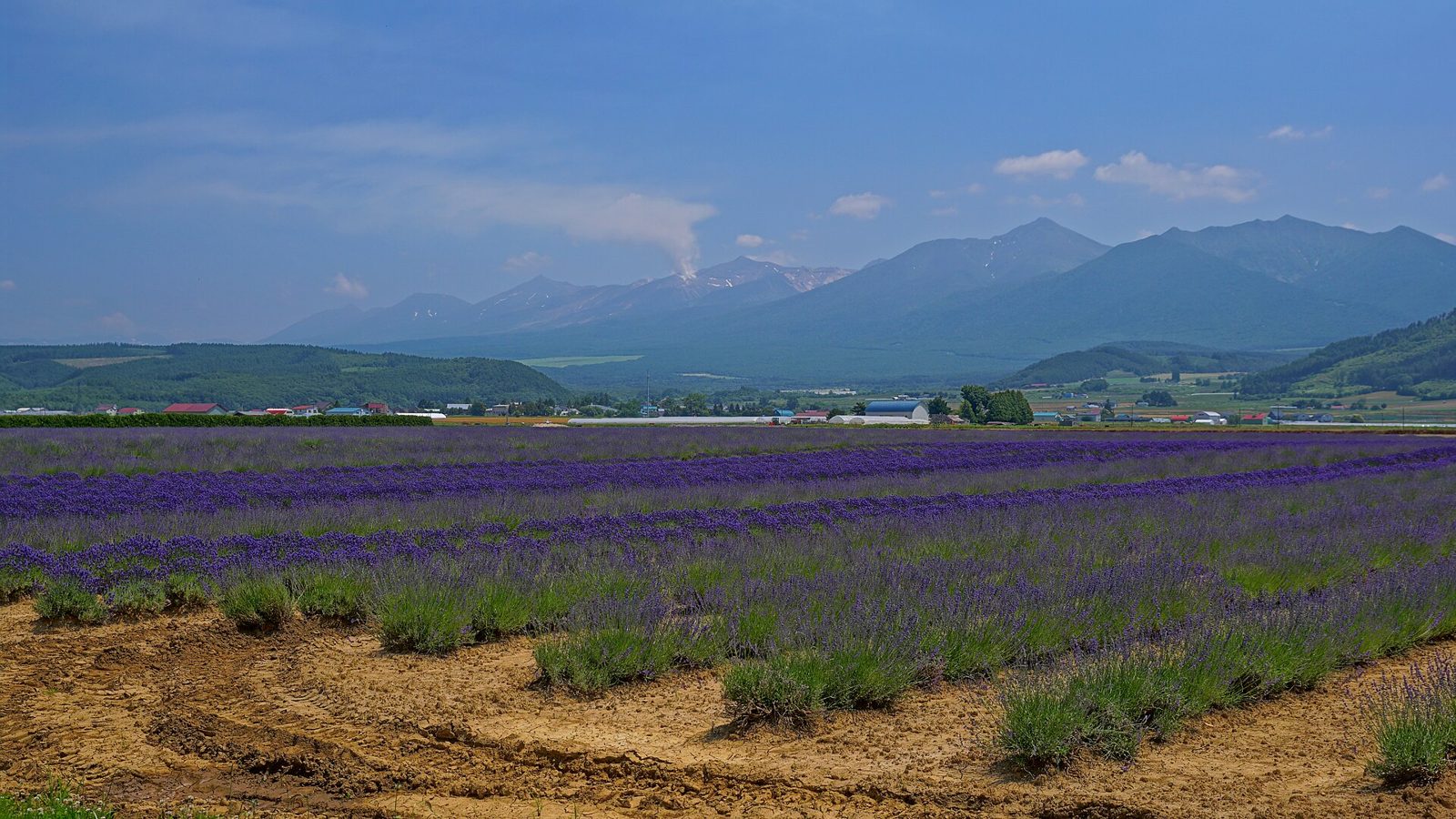
- Hokkaido: 20–28 °C, lavender in July, green hills and lakes.
- The Japan Alps and the highlands of Tohoku: cool nights, hiking season.
- Northern Tohoku: festivals in early August, still warm but rarely extreme.
Typhoons 台風
Typhoon season runs from June to October, with most storms in August and September. Okinawa and Kyushu are hit most often, but some typhoons travel up over Shikoku and Honshu. When one arrives, ferries, flights and often Shinkansen lines stop for a day, and sometimes two.
How I plan around them
- Keep one flexible day in any late-summer or early-autumn trip, ideally before your flight home.
- Follow the forecasts a few days ahead: typhoon paths are known well in advance.
- Have travel insurance that covers delays, and don't plan island hopping on the last days of a trip.
Winter & snow 冬
From December to March, Japan splits in two. The Sea of Japan side (Hokkaido, western Tohoku, Niigata, the Alps, Hokuriku) gets some of the heaviest snow in the world. The Pacific side (Tokyo, Nagoya, Osaka, Kyushu) stays mostly dry and sunny, around 5–12 °C.
Winter highlights
- Skiing: Hokkaido and Nagano from mid-December to March, best powder in January and February.
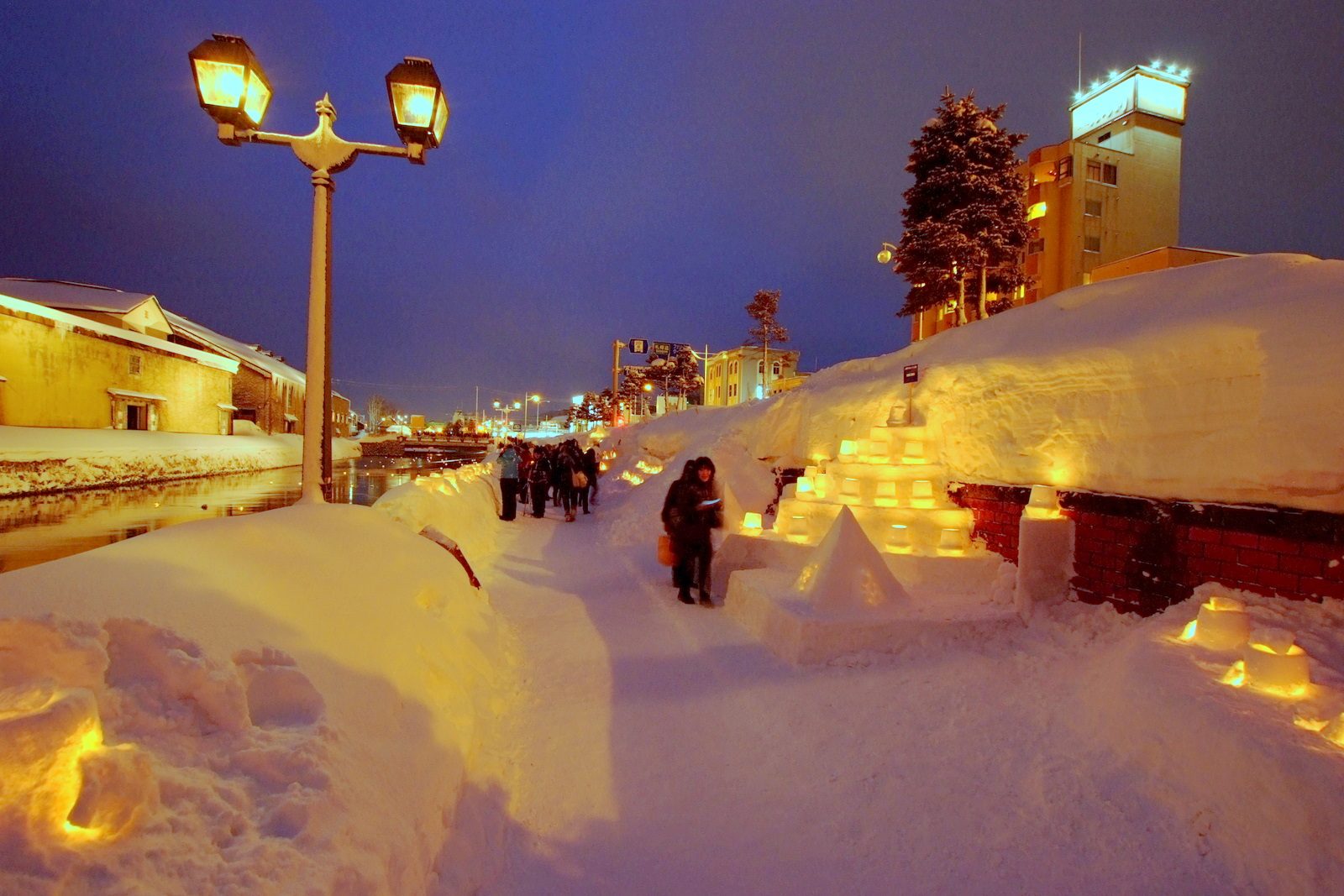
- Sapporo Snow Festival in early February and the Otaru Snow Light Path at the same time.
- Snow monkeys in their hot spring at Jigokudani, Nagano, best from January to February.
- Onsen in the snow: an outdoor bath while it snows is the best part of a Japanese winter.
- Shirakawa-go light-up on selected evenings in January and February. Book well ahead.
Japanese holidays and crowds
The season matters, but so does the Japanese holiday calendar. During these weeks, half the country travels at once: trains and hotels fill up, and prices go up.
| When | What | What it means for you |
|---|---|---|
| 29 Dec – 3 Jan | New Year (Shōgatsu) | Many restaurants, shops and museums close. Shrines are packed on 1–3 January. Trains are full on 29–30 Dec and 2–3 Jan. |
| Late March | Spring break and end of the school year | Busy, especially combined with cherry blossom. |
| 29 Apr – 5 May | Golden Week | The busiest week of the year. Avoid it, or book everything months ahead. |
| Around 13–16 Aug | Obon | Families travel home. Shinkansen and highways are full, beaches crowded. |
| Mid-September (some years) | Silver Week | Several holidays in a row, busy like a short Golden Week. |
Best time for each route
My recommendation for the itineraries on this site:
| Route | Best time |
|---|---|
| First trip to Japan: start here | Late March to May, or October to November |
| The better Golden Route by train | Late March to May for the blossom and spring green, or October to November for the colours |
| Southern Tohoku & Niigata road trip | Mid to late October, when the colours peak |
| Northern Tohoku camper van loop | Early to mid October; or early August for the Nebuta festival (2–7 Aug) |
| Hokkaido summer & autumn road trip | June to October: lavender in July, first colours in late September |
| Hokkaido winter: ski & onsen by train | January to February for the best snow |
| Shikoku road trip | October to November |
| South Honshu: Hiroshima & the San'in coast | April to May, or October to November |
| Kyushu & Tokyo in 3 weeks | Late October to November |
| Kyushu loop with Kagoshima & Yakushima | March to May, or October to November |
| Kyushu countryside road trip | April to May, or October to November |
| Okinawa road trip for repeat visitors | April, late June to mid-July just after the rainy season, or October |
Comments
Questions, tips, your own experience?
Done this route, planning it, or found a great ryokan I missed? Leave a comment below. Please keep it friendly and on topic.